
I didn’t plan to test dozens of yarns. It started as curiosity, turned into frustration, and eventually became an obsession. Every crocheter reaches that moment where patterns are followed perfectly, stitches are technically correct, yet the final piece still feels… disappointing. Too stiff. Too fuzzy. Too lifeless. Too fragile. You start questioning your hands, your tension, your talent.
But what if the problem isn’t you?
What if the yarn is quietly sabotaging every hour you invest?
I tested yarn after yarn not because I wanted variety, but because I was tired of wasting time. I wanted answers. I wanted consistency. I wanted projects that looked intentional instead of accidental. And somewhere between the cheap acrylics, the trendy fuzz bombs, and the so-called “luxury” skeins, seven yarns completely changed how I crochet.
Not because they were perfect. But because they behaved the way crochet needs yarn to behave.
The Experiment Nobody Warns You About
Crochet exposes truth. It doesn’t hide behind fabric density or illusion. Every loop is visible. Every weakness shows. So when a project fails, yarn leaves fingerprints all over the scene.
I tested yarns across different price ranges, fiber types, and brands. I made the same swatches. Used the same hooks. Applied the same tension. The results were impossible to ignore.
Some yarns fought me from the first stitch. Others quietly elevated everything I touched.
What “Testing” Actually Meant
This wasn’t about touching yarn in a store aisle. This was real-world abuse.
Each yarn was:
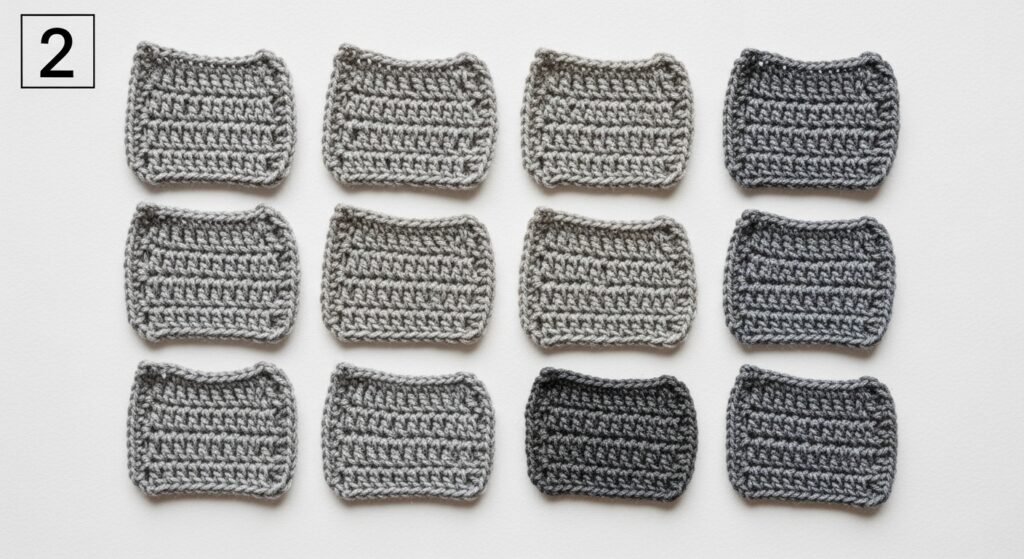
- Crocheted into textured and basic stitches
- Frogged multiple times
- Washed and dried according to label instructions
- Stretched, hung, folded, and worn
Because yarn can look good for five minutes. The truth shows up after five days.
The Shocking Pattern That Emerged
Most yarns failed in predictable ways. They split. They pilled. They lost shape. They dulled stitch definition. And a surprising number felt great in the skein but awful in the hook.
Then there were seven that didn’t just perform well — they changed expectations.
Not trends. Not hype. Just reliability.
The 7 Yarns That Changed Everything
These aren’t ranked by price or popularity. They’re ranked by impact.
Yarn #1: The One That Finally Made My Stitches Look Clean
This yarn had one defining trait: balance.
Not too soft. Not too stiff. The plies stayed together. The hook glided without slipping. Stitch anatomy was visible, readable, almost instructional.
Why does this matter so much?
Because crochet is visual. When you can see your stitches clearly, your confidence skyrockets. Mistakes are easier to fix. Patterns make sense faster. Progress feels real.
This yarn taught me that clarity is not a luxury — it’s a requirement.
Yarn #2: The “Boring” Yarn That Made Everything Look Professional
At first glance, this yarn looked ordinary. No halo. No dramatic sheen. No trendy colors.
And yet, every project made with it looked intentional.
Why?
Because it held structure under stress. Edges stayed crisp. Rows stacked neatly. Even simple stitches gained authority.
This was the yarn that made me realize how often we chase excitement instead of results.
Yarn #3: The Soft One That Didn’t Collapse
Soft yarns are dangerous. Many feel incredible but fall apart visually. This one didn’t.
It had elasticity without weakness. Drape without sag. It moved with the fabric instead of melting into it.
Garments made with this yarn didn’t stretch into sadness after a few hours of wear.
How many sweaters have you seen lose their shape before the day ends?
This yarn respected gravity.
Yarn #4: The Cotton That Didn’t Punish Me
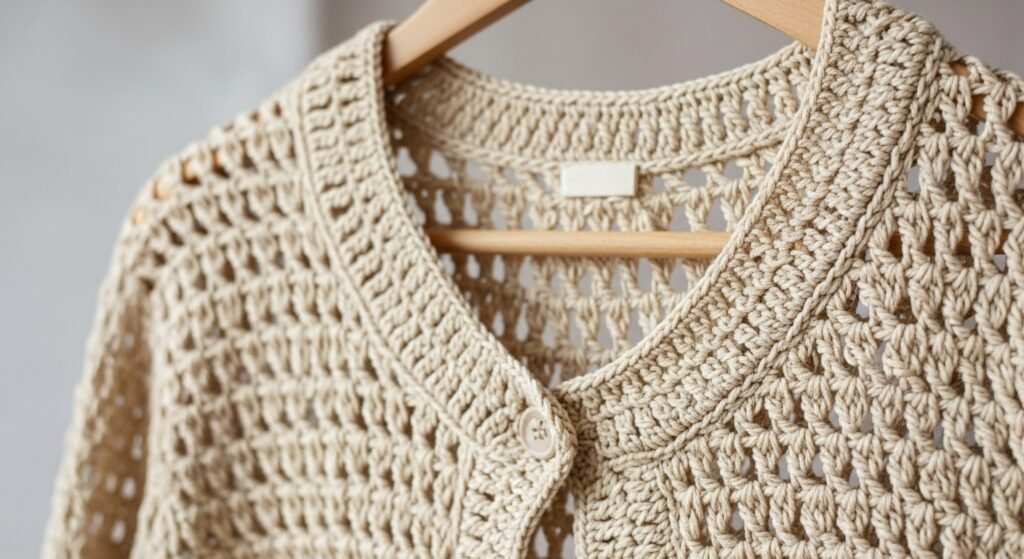
Cotton has a reputation for being harsh, and honestly, it earns it. But this cotton behaved differently.
It was smooth without being slippery. Firm without being rigid. Stitch definition was sharp, but mistakes didn’t scream.
This yarn taught me that cotton doesn’t have to be cruel — it just has to be well-made.
If you’ve sworn off cotton forever, it might not be the fiber you hate. It might be the quality.
Yarn #5: The Acrylic That Didn’t Feel Like a Compromise
Acrylic is controversial. And for good reason.
But this one broke the stereotype. No squeaking. No plastic stiffness. No immediate pilling.
It proved something important: material prejudice is expensive.
Professionals don’t dismiss yarn categories. They evaluate individual behavior. This yarn earned its place by being honest, durable, and practical.
Perfect for gifts. Perfect for everyday use. Perfect for projects that need to survive real life.
Yarn #6: The Wool Blend That Forgave Everything
This yarn felt like having a safety net.
Tension slightly off? It forgave. Frogged multiple times? It recovered. Blocked? It transformed.
Wool blends like this one explain why experienced crocheters seem so relaxed. The yarn works with you.
It reminded me that learning doesn’t need to be painful.
Yarn #7: The Unexpected One That Redefined “Good Enough”
This yarn surprised me. I expected mediocrity. I got consistency.
It didn’t excel in one flashy way. It excelled in not failing.
No drama. No hidden flaws. Just dependable behavior from start to finish.
Sometimes the best yarn doesn’t shout. It quietly shows up every time.
What These Yarns Taught Me About Crochet
Testing these yarns didn’t just improve my projects. It changed how I think.
Skill Isn’t Just in Your Hands
We love the idea that effort equals mastery. But crochet doesn’t reward effort alone. It rewards alignment.
When yarn and technique agree, everything flows. When they don’t, no amount of determination saves the project.
Choosing yarn is part of the craft, not an afterthought.
Price Means Very Little Without Performance
Some expensive yarns failed spectacularly. Some affordable ones overdelivered.
The real cost of yarn isn’t the price tag. It’s the time you lose when it doesn’t behave.
How many projects have you abandoned halfway through because something just felt wrong?
Consistency Builds Confidence
Using reliable yarn removes mental friction. You stop second-guessing. You stop blaming yourself. You start experimenting with intention.
Confidence isn’t arrogance. It’s familiarity.
How to Apply This Without Testing Dozens Yourself
You don’t need to repeat my experiment. You need better filters.
Ask Better Questions Before Buying
Instead of “Is this soft?” ask:
- Does this show stitch definition?
- Does this fiber match the project’s purpose?
- How does this yarn behave under tension?
Stop Romanticizing Yarn Aisles
Beautiful shelves sell dreams, not results.
Professionals don’t fall in love with yarn. They collaborate with it.
Build a Personal “Yes List”
Once you find yarns that work for you, repeat them. Master them. Let them teach you.
Variety is overrated when consistency is what grows skill.
The Real Takeaway Nobody Talks About
Crochet frustration is rarely about talent. It’s about mismatched materials.
Testing dozens of yarns didn’t make me better overnight. But it removed unnecessary resistance. It made learning enjoyable again. It made finished projects feel earned instead of lucky.
And once you experience that shift, there’s no going back.
So the next time a project disappoints you, don’t ask what you did wrong.
Ask what the yarn did.
Because sometimes, changing everything starts with changing one skein.

My name is Sarah Clark, I’m 42 years old and I live in the United States. I created Nova Insightly out of my love for crochet and handmade creativity. Crochet has always been a calming and meaningful part of my life, and over the years it became something I wanted to share with others. Through this blog, I aim to help beginners and enthusiasts feel confident, inspired, and supported as they explore crochet at their own pace. For me, crochet is more than a craft — it’s a way to slow down, create with intention, and enjoy the beauty of handmade work.