
There’s a quiet disappointment many crocheters feel but rarely admit. You spend hours making something, gift it proudly, and receive a polite smile. A thank you. Then… nothing. No follow-up. No requests. No one asking, “Can you make one for me too?”
That moment hurts more than we like to admit.
Because deep down, we’re not just crocheting for ourselves. We’re creating to connect. To impress. To make something so good, so useful, or so striking that people remember it.
Here’s the hard truth: most crochet is boring—not because it’s handmade, but because it plays too safe. Repetitive projects, predictable colors, familiar shapes. Comfortable, yes. Memorable? Rarely.
The good news is that boring crochet isn’t a skill problem. It’s a project-selection problem.
Once you start choosing projects that surprise people, that fit into real life, and that feel intentional rather than habitual, something shifts. People stop saying “that’s nice.”
They start saying, “Can you make me one?”
Why Most Crochet Ends Up Feeling Forgettable
Boring crochet usually isn’t ugly. It’s just invisible.
Familiarity Kills Curiosity
When people have seen something before—same stitch, same shape, same color—it doesn’t register emotionally. It blends into memory instead of standing out.
Crochet that excites people often does one simple thing differently. It changes scale, texture, purpose, or context.
Over-Practiced Projects Lose Impact
Scarves, basic blankets, simple hats. These aren’t bad projects—but they’re often made without intention.
When a project feels like muscle memory instead of design, the result shows.
People React to Usefulness, Not Effort
Non-crocheters don’t evaluate stitch difficulty. They respond to usefulness and aesthetics.
A technically simple project that fits perfectly into someone’s life will be requested again. A complex project that has no clear place will be admired once and forgotten.
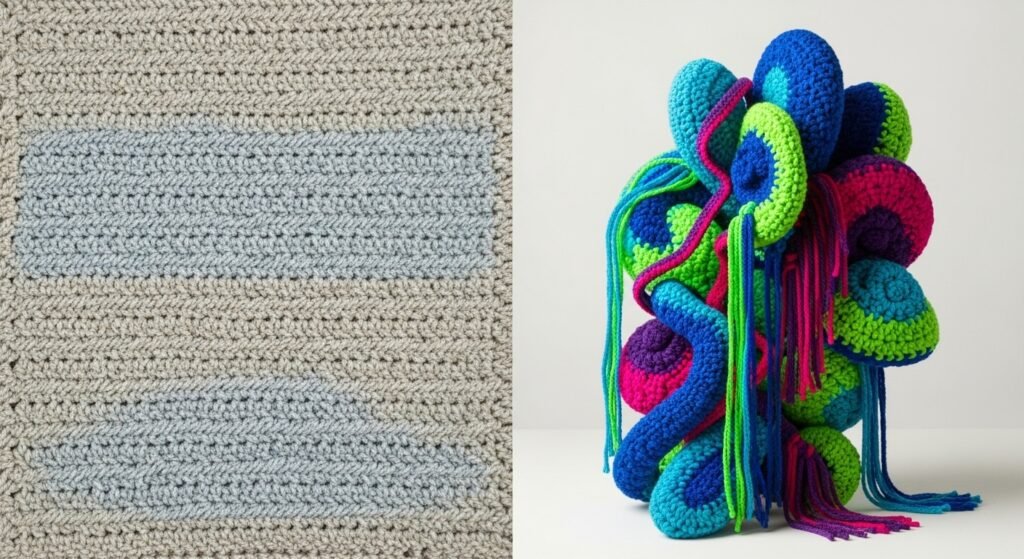
What Makes People Ask for Crochet Again
The projects people beg you to remake share specific traits.
They Solve a Real Problem
Whether it’s organization, comfort, warmth, or style, the best projects answer a need.
When someone uses a crochet item daily, it becomes part of their routine. That’s when requests start.
They Look Intentional, Not Accidental
Clean edges, consistent tension, thoughtful color choices. These details signal care and design.
People may not articulate it, but they feel it.
They Balance Uniqueness With Familiarity
The most requested projects feel new without feeling strange. They fit into existing lifestyles while offering something slightly unexpected.
That balance is powerful.
9 Crochet Projects People Will Actually Beg You to Make Again
These aren’t gimmicks. They’re proven crowd-pleasers.
Structured Crochet Tote Bags
A well-structured tote changes everything. Tight stitches, firm handles, neutral colors.
People love bags they can trust. When a crochet bag holds shape and weight, it stops being “crafty” and starts being functional.
These bags get used—and noticed.
Textured Throw Blankets With Restraint
Blankets don’t have to be complex to be striking. One strong stitch pattern repeated across a large surface creates rhythm and depth.
Neutral or muted palettes elevate the look. These blankets invite touch, not just compliments.
Modern Cushion Covers
Pillows are low-commitment decor. That makes them perfect.
A single textured stitch, bold yarn choice, or subtle geometric pattern turns a cushion into a design piece. People see them and instantly imagine them on their own couch.
Crochet Market Bags That Actually Hold Weight
Many market bags stretch too much. The ones people request again are reinforced, thoughtfully designed, and durable.
When someone uses a bag weekly and it still looks good, trust is built.
Minimalist Scarves With Perfect Drape
Not oversized, not bulky—balanced.
Scarves made with intention, using simple stitches and quality yarn, feel wearable instead of decorative. People love accessories that elevate outfits quietly.
Storage Baskets That Look Like Decor
Baskets are irresistible when they’re sturdy and attractive.
These projects combine practicality with aesthetics. They organize mess while adding warmth to a space.
Statement Table Runners
Long, clean runners with texture instantly elevate dining spaces.
They’re seasonal without being disposable. People notice them at gatherings—and ask where they came from.
Simple Garments With Strong Silhouettes
Not every crochet garment works. The ones that do keep shapes clean and stitches simple.
Cardigans, vests, and tops with structure feel intentional rather than homemade.
Baby Items That Feel Thoughtful, Not Generic
Blankets, booties, or toys designed with restraint stand out immediately.
Parents remember gifts that feel special and useful. These projects get requested again and again.
Why These Projects Work When Others Don’t
The success isn’t accidental.
They Respect Real Life
These projects don’t exist just to be admired. They’re meant to be used.
Use creates attachment. Attachment creates requests.
They Emphasize Design Over Difficulty
None of these projects require extreme skill. They require intention.
Design choices—shape, color, proportion—do more work than complicated stitches ever could.
They Age Well
Projects people request again still look good months later. They don’t pill excessively. They don’t stretch beyond recognition.
Longevity builds reputation.
How to Stop Making Boring Crochet Immediately
This shift doesn’t require abandoning comfort zones entirely.
Choose Fewer Projects, But Choose Better
Instead of making many forgettable pieces, make fewer meaningful ones.
Select projects that excite you and serve a purpose.
Edit Your Ideas Ruthlessly
Not every idea deserves to be made. Ask whether the finished piece will improve someone’s space or routine.
If the answer is unclear, reconsider.
Treat Crochet Like Design, Not Habit
Design asks questions. Habit repeats answers.
When you pause to design—even briefly—your work changes.
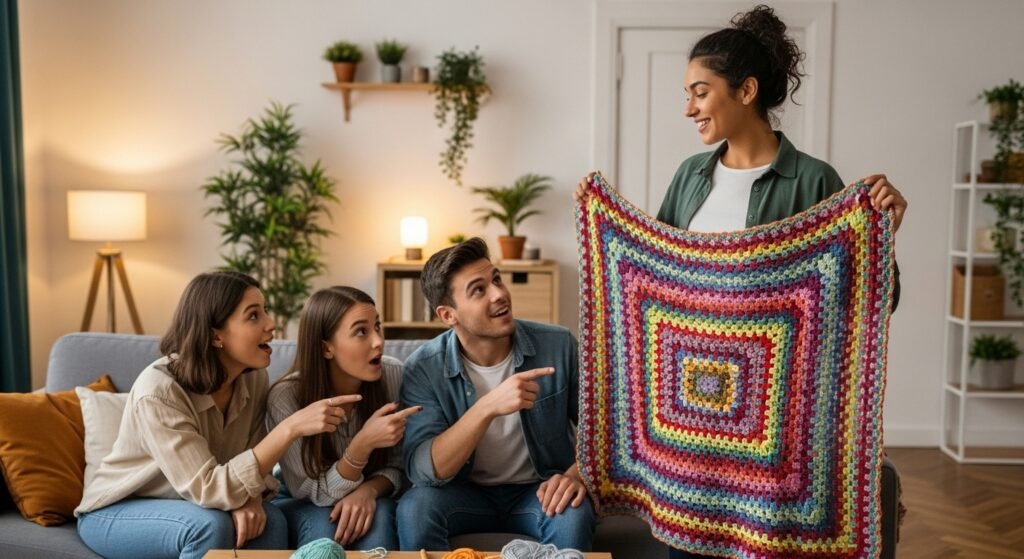
The Confidence That Comes From Being Asked Again
Being asked to remake something isn’t about validation. It’s about impact.
It means your work fit into someone’s life. It meant enough to be wanted again.
That feeling changes how you crochet.
You Start Trusting Your Taste
When people respond consistently, you stop second-guessing your choices.
Confidence grows organically.
You Experiment With Purpose
Instead of chasing trends, you refine what works.
Refinement is where style is born.
Crochet Becomes More Rewarding
The craft shifts from pastime to expression.
You’re no longer just making things. You’re creating objects people value.
Redefining “Boring” Crochet
Boring crochet isn’t simple crochet. It’s unintentional crochet.
The projects people beg for aren’t flashy. They’re thoughtful. They meet people where they are and give them something they didn’t realize they needed.
When crochet aligns with real life, it stops being background noise.
It becomes memorable.
And once that happens, you’ll notice something quietly powerful.
You won’t have to offer to make things anymore.
People will ask.

My name is Sarah Clark, I’m 42 years old and I live in the United States. I created Nova Insightly out of my love for crochet and handmade creativity. Crochet has always been a calming and meaningful part of my life, and over the years it became something I wanted to share with others. Through this blog, I aim to help beginners and enthusiasts feel confident, inspired, and supported as they explore crochet at their own pace. For me, crochet is more than a craft — it’s a way to slow down, create with intention, and enjoy the beauty of handmade work.